BPC-157 – Research Peptide Derived from a Gastric Protein Fragment
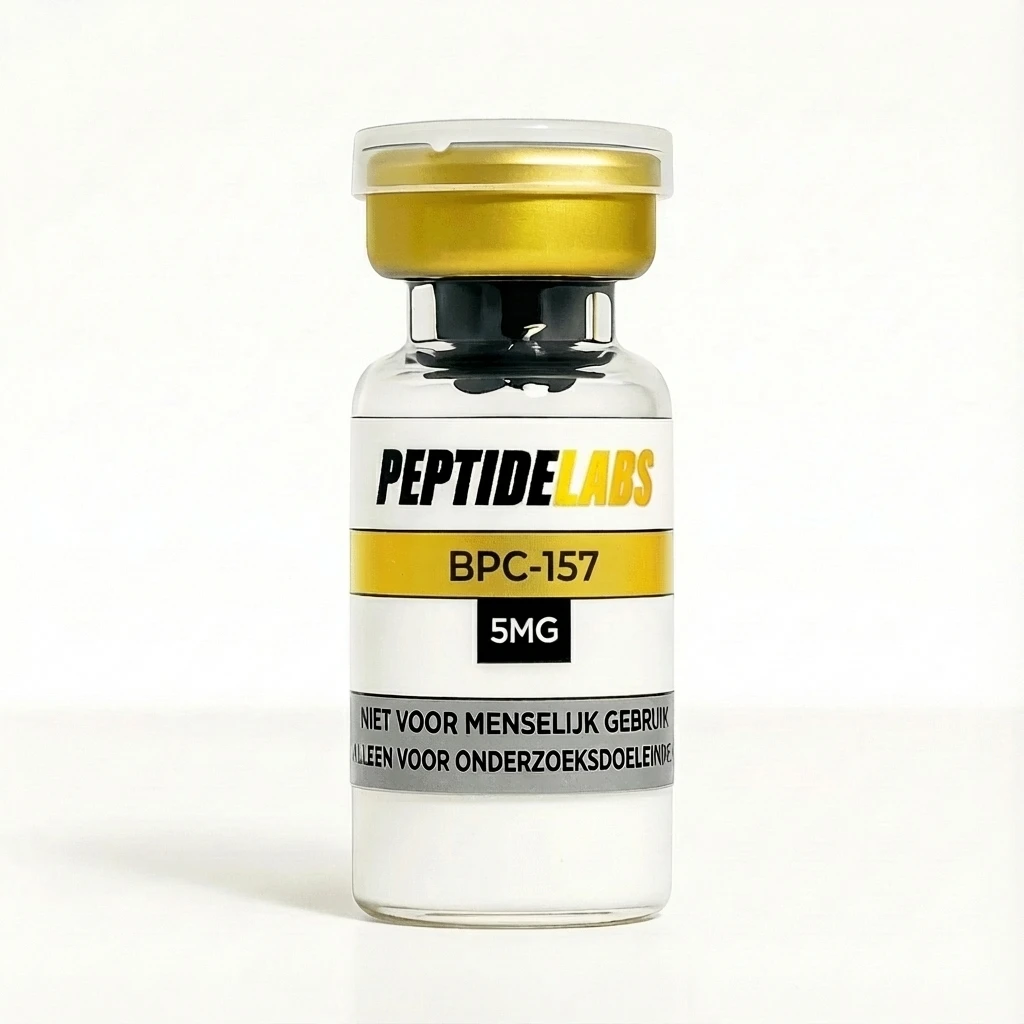
BPC-157 (Body Protection Compound-157) is a synthetic
research peptide derived from a naturally occurring protein fragment
found in human gastric juice. Within laboratory research, BPC-157 is studied
to investigate its influence on cell regeneration, angiogenesis, and
inflammation-related processes under in-vitro conditions.
BPC-157 is manufactured according to high quality standards and verified using
High-Performance Liquid Chromatography (HPLC) to ensure a purity of
≥ 99%. Each batch is supplied for controlled biochemical and
pharmacological research applications.
Key specifications
| Specification | Value / description |
|---|---|
| Name | BPC-157 |
| Molecular formula | C62H98N16O22 |
| Molecular weight | ≈ 1419 Da |
| Form | Lyophilized powder |
| Purity | ≥ 99% (HPLC tested) |
| Storage conditions | Store refrigerated, protected from light and moisture |
Research relevance
BPC-157 is investigated in research models focusing on
cell growth, angiogenesis, and inflammation-related signaling pathways.
It is commonly used as a model peptide in studies related to
regenerative biology and tissue response mechanisms.
- Studied for its role in cellular growth and angiogenic processes.
- Relevant for research into peptide-based signaling pathways.
- Frequently used in experimental models related to regenerative biology.
- Lyophilized form supports stable storage and controlled laboratory handling.